
Kyoto University
- QS ranking#50
- Acceptance rate≈30%
- Typical GPANear-perfect domestic…
- Tuition / year≈$3,600
Overview
About Kyoto University
Japan's most Nobel Prize-dense university; autonomous/liberal academic culture vs Tokyo; iPS cell research (Shinya Yamanaka); Kyoto city is culturally rich; known for academic freedom
- International environmentVery limited international UG; small intl programs; graduate more accessible
- Teaching styleResearch-heavy; lecture; independent study emphasized; more autonomous than Todai
Academics
Subjects and fit
Strongest subjects
- Medicine
- Biochemistry
- Physics
- Law
- Economics
- Agriculture
- Humanities
Best for
- Research scientists
- PhD candidates
- biochemistry
- Japan-focused researchers
Getting in
Admission requirements
- GPA: Near-perfect domestic scores; intl: research focus
- TOEFL 72+ / IELTS 6.0+ for English programs
- Japanese Common Test; for intl: MEXT or special entrance examination
- Difficulty: Extremely Competitive (domestic)
- Acceptance rate: ~30% overall domestic
- Deadline: Domestic: Jan–Feb | Intl: via MEXT or special selection; Graduate: Oct–Feb
On campus
Campus and location
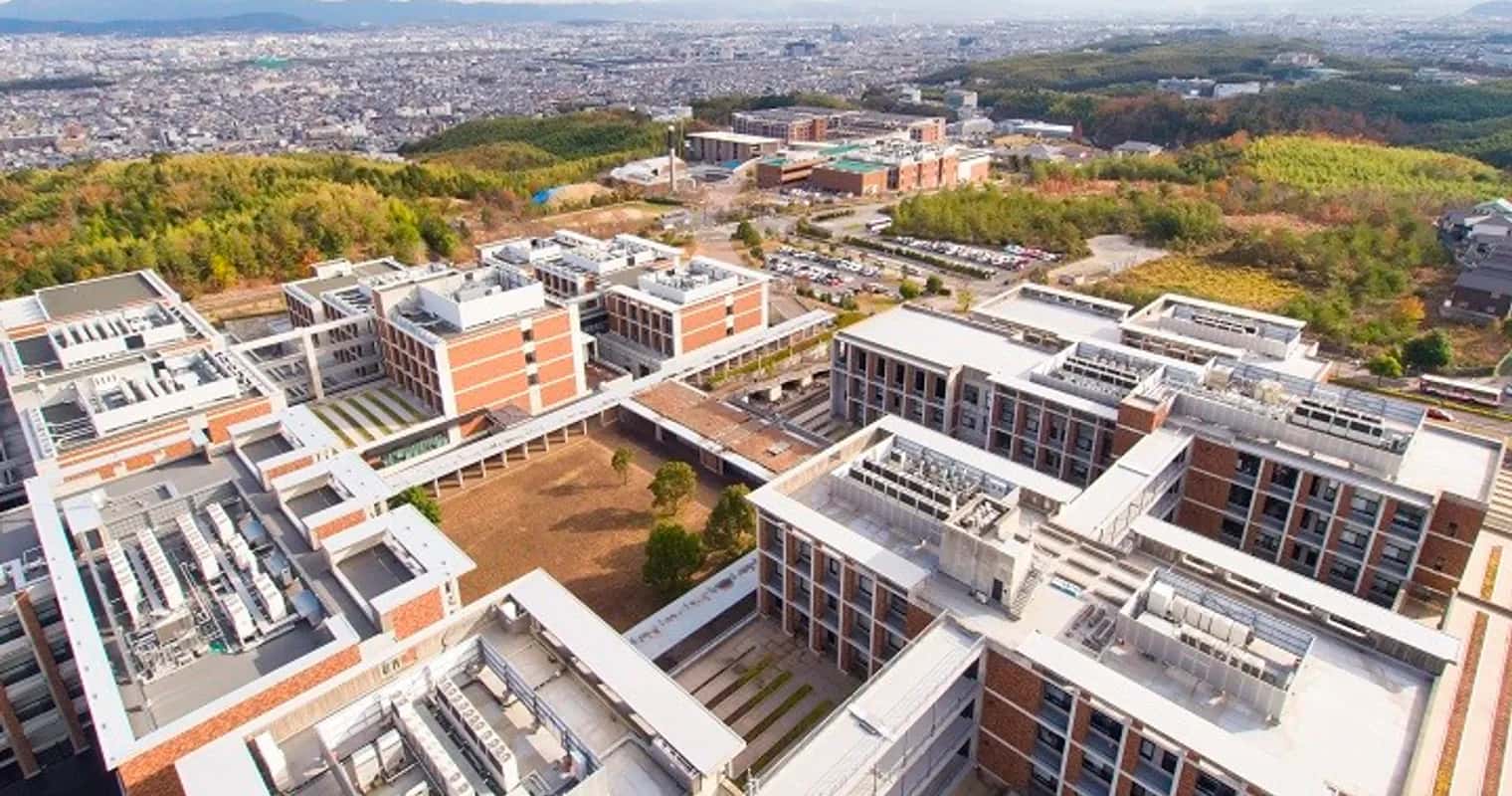
International House available; Kyoto affordable
Money
Costs and scholarships
- Tuition (USD)535,800 JPY/yr ≈ ~$3,600/yr
- Living cost (USD)11,000–16,000 USD
- ScholarshipsMEXT Government Scholarship; JSPS Fellowship (for graduate research)
Tuition Exemption at Kyoto University 2026 (Full Tuition)
meritneedSinh viên quốc tế bậc Cử nhân, Thạc sĩ và Tiến sĩ, mọi quốc tịch.
JapanKhông tìm thấyTeaching and Research Assistantships at Kyoto University 2026
otherSinh viên quốc tế bậc Thạc sĩ và Tiến sĩ, mọi quốc tịch.
JapanKhông tìm thấy
After graduation
Careers and outcomes
- Industry connectionsKyocera, Nintendo, Shimadzu, Nidec, government research institutes (iCeMS)
- InternshipsResearch fellowships; iCeMS research internships
- EmployabilityTop research university in Japan; strongest for biochemistry and Nobel-level science
The honest view
Why students choose Kyoto University
- MEXT Government Scholarship; JSPS Fellowship (for graduate research)
- Employability: Top research university in Japan; strongest for biochemistry and Nobel-level science
Worth knowing
Very limited English programs at UG; Kyoto's job market smaller than Tokyo; Japanese essential
GlowBal's insider note
VERIFIED: Kyoto University has produced 20 Nobel laureates, highest in Asia. INSIGHT: iPS cell research (Nobel 2012 - Yamanaka) was developed at Kyoto still a world leader in regenerative medicine.
Ask a human
Talk to someone who studied here
Book a 1-1 session with a current student or alumnus for honest advice about your application and life on campus.